
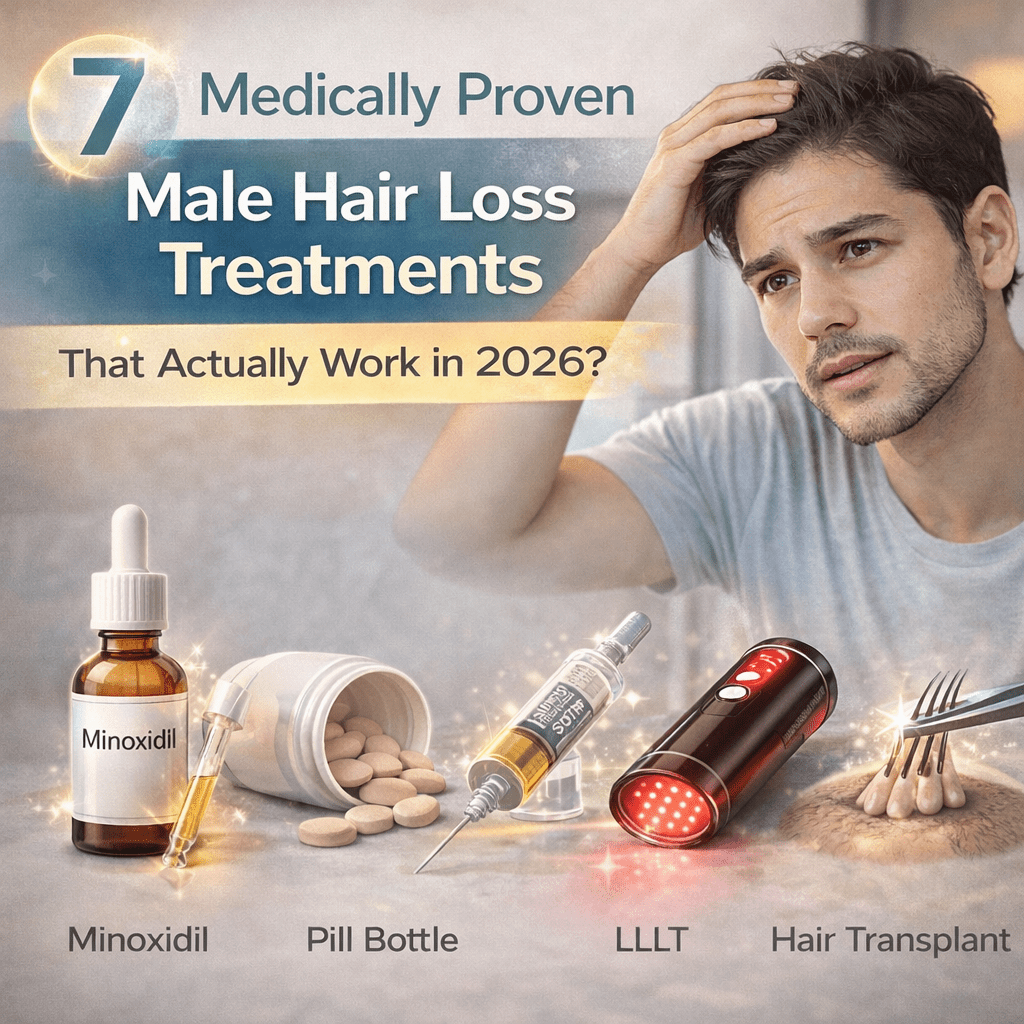
Male hair loss is one of the most searched yet most misunderstood problems. Most men try random oils, shampoos, or viral hacks, only to see little to no real results.
The truth is simple. Clinically proven treatments for hair loss already exist. The challenge is knowing what works, how it works, and when to use it.
This guide breaks down evidence-based treatments, their effectiveness, and what you should realistically expect.
What Causes Male Hair Loss? (Quick Medical Breakdown)
The most common cause is androgenetic alopecia (male pattern baldness).
It happens due to:
- Sensitivity to DHT (dihydrotestosterone)
- Gradual shrinking of hair follicles
- Shortened hair growth cycle
Other causes include:
- Stress-related hair loss (telogen effluvium)
- Nutritional deficiencies
- Scalp conditions
Understanding the cause is critical because not all hair loss is treated the same way.
1. Minoxidil (Topical Treatment)
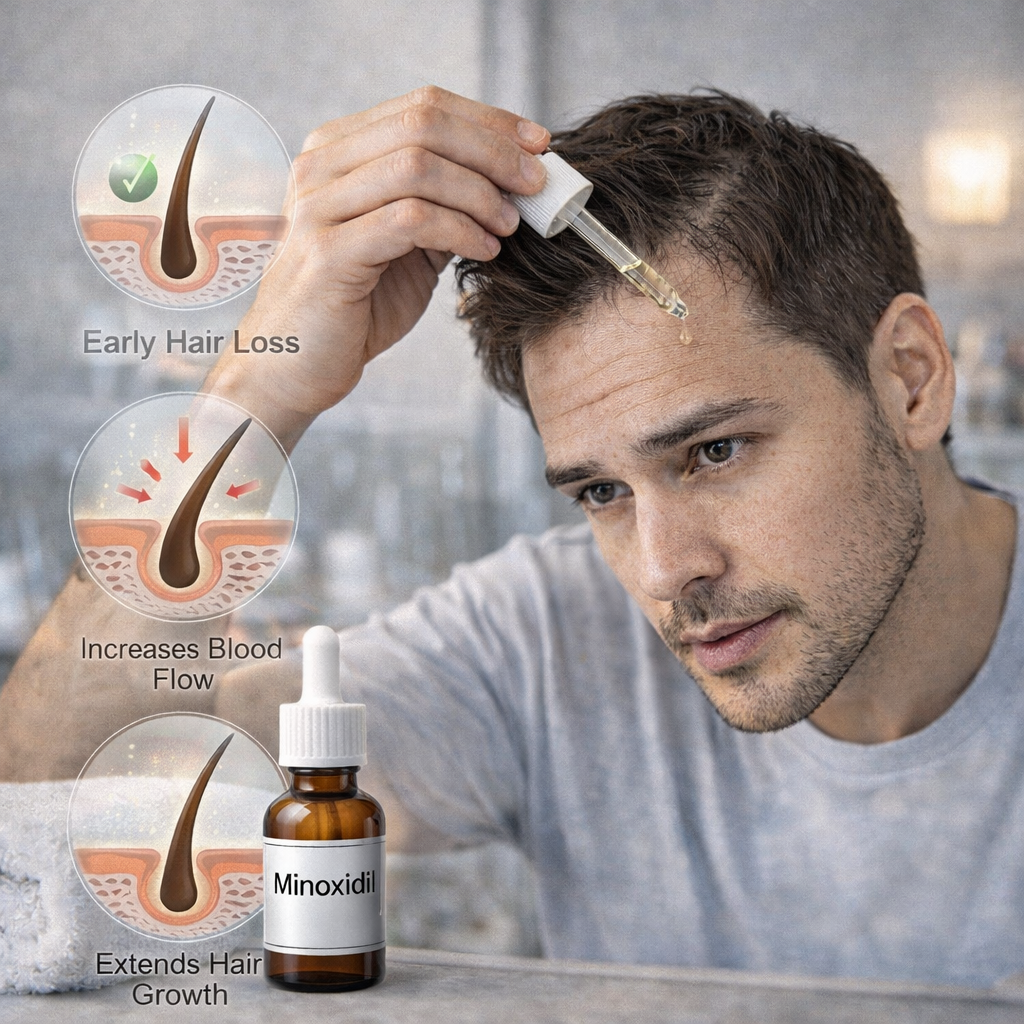
Minoxidil is one of the most widely used and clinically proven treatments for hair loss. It works by increasing blood flow to hair follicles and extending the growth phase of hair.
It is especially effective in early to moderate hair loss and is commonly applied directly to the scalp.
What You Should Know
- Results typically visible in 3 to 6 months
- Requires consistent, long-term use
- Initial shedding phase is normal
2. Finasteride (DHT Blocker)
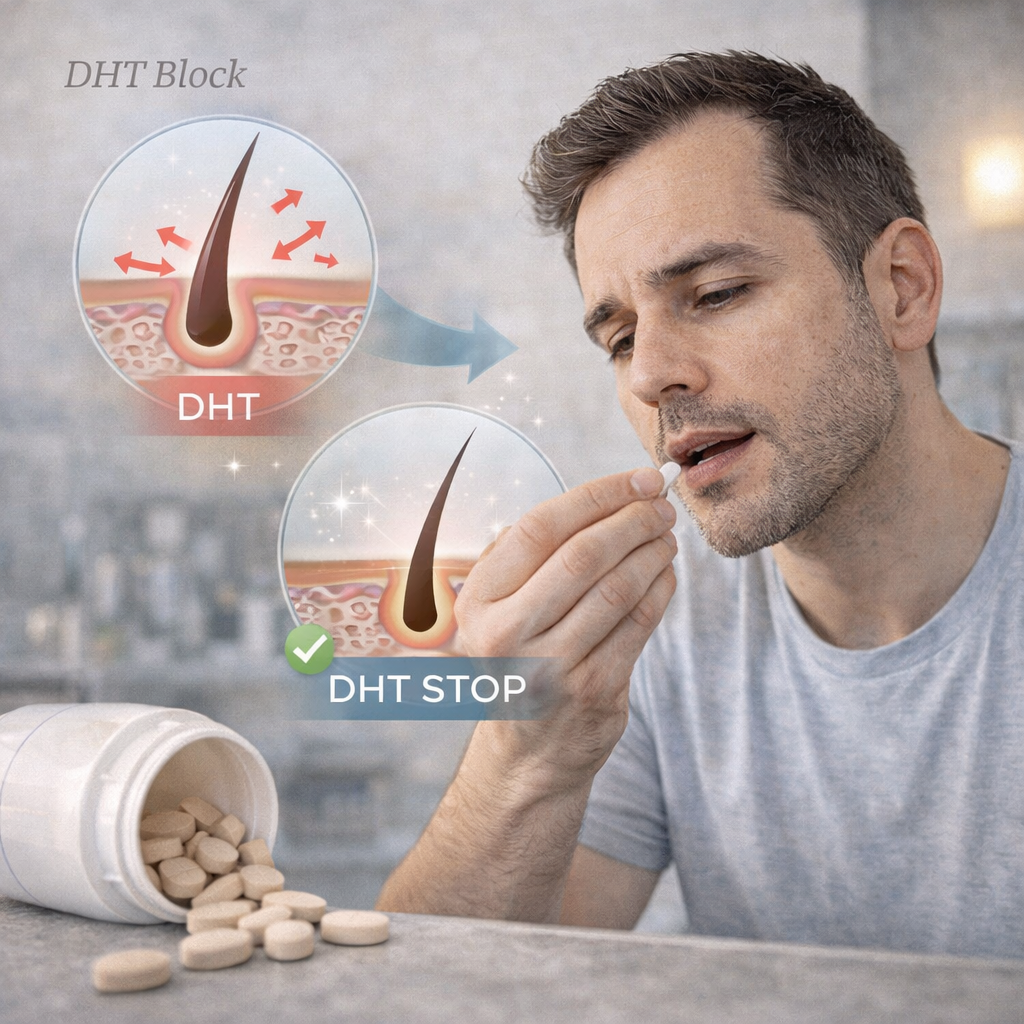
Finasteride is an oral medication that reduces DHT levels, the main hormone responsible for shrinking hair follicles.
It is considered one of the most effective treatments for stopping hair loss progression.
What You Should Know
- Slows or stops hair loss in most users
- Can promote regrowth in some cases
- Must be taken under medical supervision
3. Dutasteride (Stronger DHT Inhibitor)
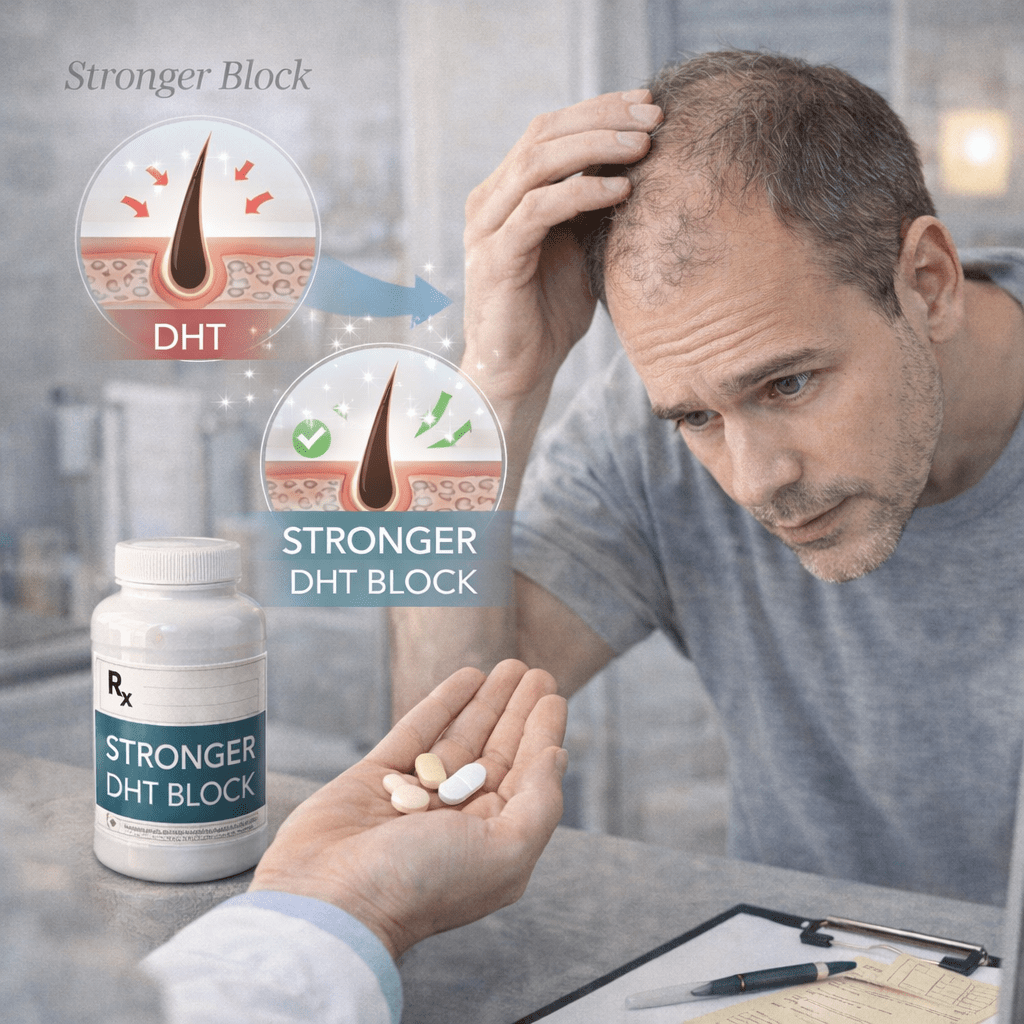
Dutasteride works similarly to finasteride but blocks a broader range of enzymes that produce DHT.
It is often used when finasteride does not provide sufficient results.
What You Should Know
- More potent than finasteride
- Used in advanced or resistant cases
- Requires prescription and monitoring
4. PRP Therapy (Platelet-Rich Plasma)
PRP involves drawing your blood, concentrating platelets, and injecting them into the scalp to stimulate hair follicles.
It promotes natural regrowth by enhancing follicle activity.
What You Should Know
- Requires multiple sessions
- Works best in early stages
- Often combined with other treatments
5. Low-Level Laser Therapy (LLLT)
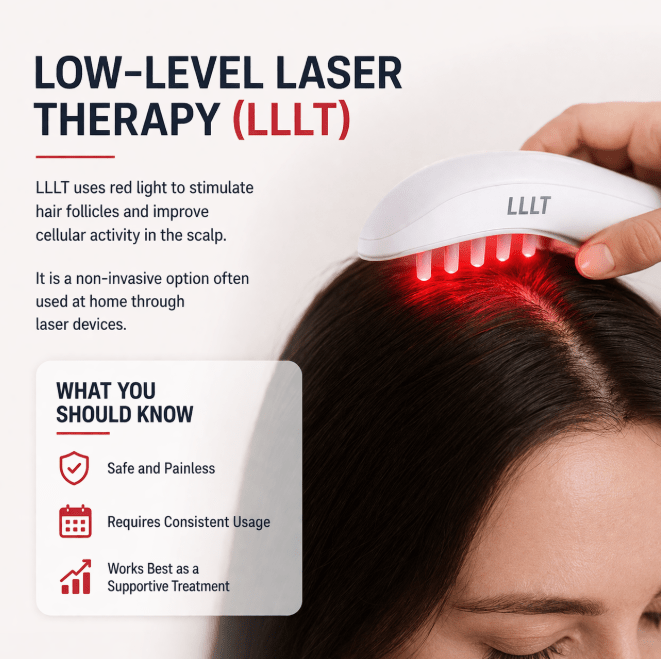
LLLT uses red light to stimulate hair follicles and improve cellular activity in the scalp.
It is a non-invasive option often used at home through laser devices.
What You Should Know
- Safe and painless
- Requires consistent usage
- Works best as a supportive treatment
6. Hair Transplant (Permanent Solution)
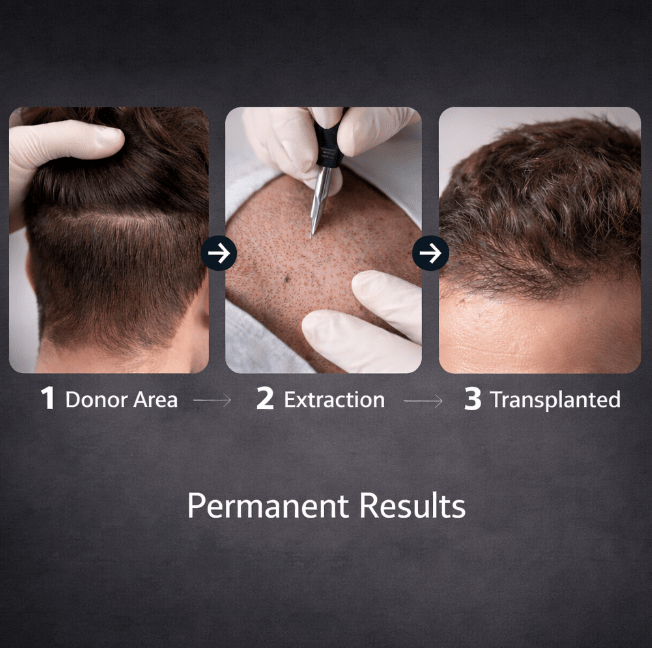
Hair transplant surgery involves moving healthy hair follicles from one part of the scalp to thinning areas.
It provides permanent and natural-looking results when done correctly.
What You Should Know
- One-time procedure with long-term results
- Requires skilled surgeon
- Higher upfront cost
7. Scalp Health & Medical Shampoos
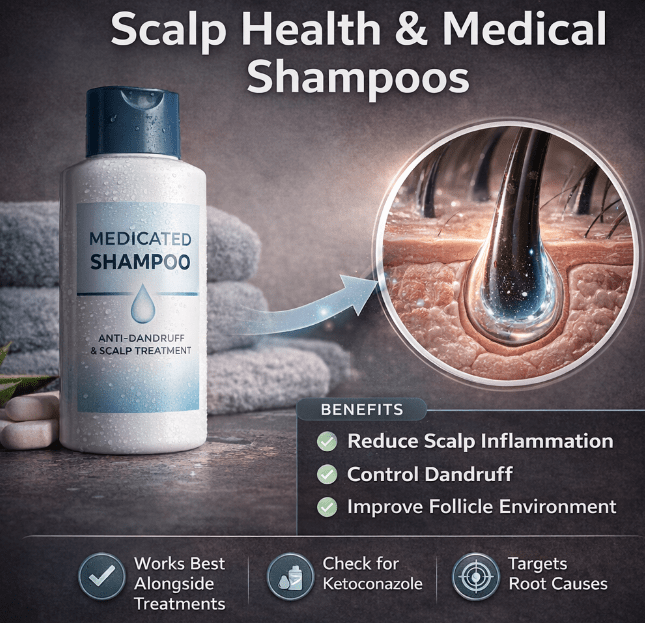
While shampoos alone cannot reverse hair loss, they play an important supporting role.
Medicated shampoos help:
- Reduce scalp inflammation
- Control dandruff
- Improve follicle environment
What You Should Know
- Works best alongside primary treatments
- Look for ingredients like ketoconazole
What Actually Works Best (Realistic Strategy)
The most effective approach is not a single treatment, but a combination strategy:
- Minoxidil for stimulation
- Finasteride for DHT control
- PRP or LLLT for support
This multi-layered approach targets hair loss from different angles.
When Should You Start Treatment?
The earlier you start, the better your results.
If you notice:
- Receding hairline
- Thinning crown
- Increased hair fall
…you should act early, as lost follicles cannot always be recovered.
Final Thoughts
Male hair loss is not irreversible in most cases. But it requires scientific treatment, consistency, and realistic expectations.
The biggest mistake is waiting too long or relying only on unproven remedies.
The sooner you act with the right approach, the better your chances of preserving and restoring your hair.
This guide is brought to you by Glamingo—Singapore’s AI-powered beauty and wellness marketplace. Soon, you’ll be able to discover, compare, and book advanced hair loss treatments, PRP sessions, and scalp therapies at top clinics and salons. Stay tuned.
Disclaimer: This guide is for informational purposes only. Medications like finasteride and dutasteride should be taken only under medical supervision. Consult a qualified professional before starting treatment.
 Glamingo Blog
Drop in your comments..