
Stress is not just a mental state. It is a biological trigger that directly impacts your skin at a cellular level. In 2026, dermatology and neuroscience are increasingly aligned on one fact: chronic stress is one of the most underestimated causes of persistent skin issues.
If you are experiencing acne flare-ups, unexplained sensitivity, dullness, or delayed healing despite using the right skincare, your nervous system may be the missing variable.
This guide breaks down the exact biological mechanisms, visible symptoms, and practical, evidence-based ways to reverse the damage.
Why Stress Affects Your Skin (The Science Explained Simply)
When your body is under stress, it activates the HPA axis (Hypothalamic-Pituitary-Adrenal axis).
This leads to:
- Increased cortisol production
- Overactive sebaceous (oil) glands
- Higher inflammatory response
- Impaired skin barrier repair
The result is not one single issue, but a chain reaction affecting multiple skin functions at once.
1. Cortisol Triggers Excess Oil Production (Acne Connection)
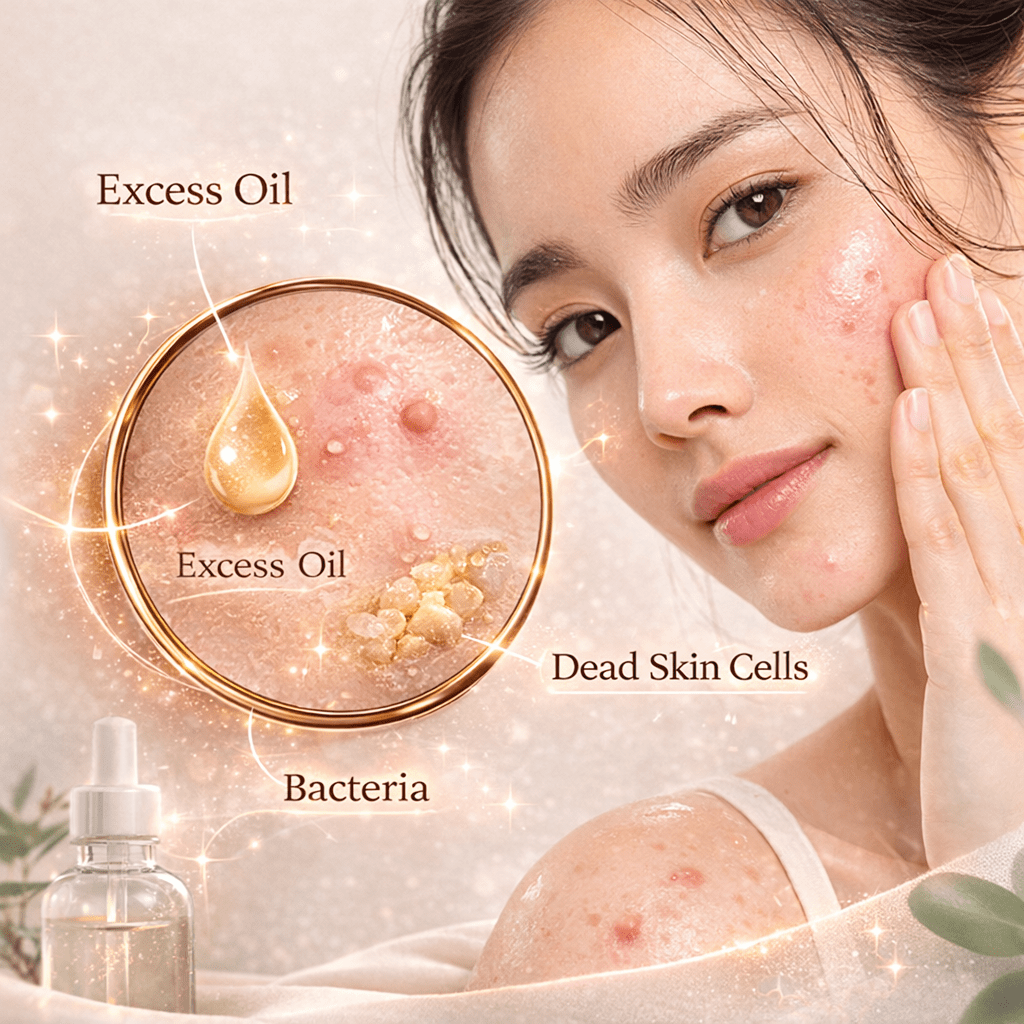
Elevated cortisol stimulates sebaceous glands, increasing oil production. This excess oil combines with dead skin cells and bacteria, leading to clogged pores and breakouts.
This is why many people experience stress acne, especially around the jawline, chest, and back.
What Actually Helps
- Use salicylic acid or niacinamide-based products to regulate oil
- Avoid over-cleansing, which can worsen oil rebound
- Focus on consistent routines rather than aggressive treatments
2. Stress Weakens the Skin Barrier (Root of Sensitivity)
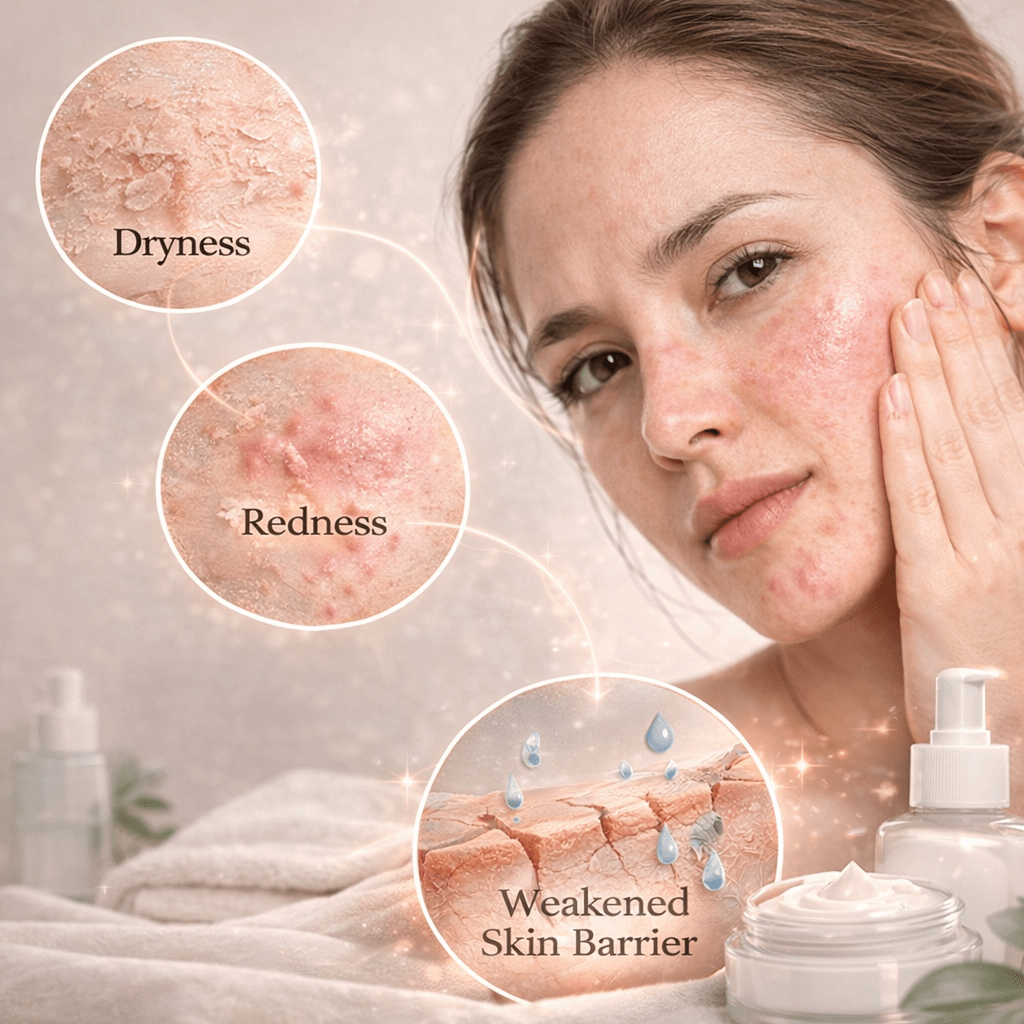
Your skin barrier controls hydration and protection. Chronic stress reduces lipid production, making the barrier weaker and more permeable.
This leads to:
- Dryness
- Redness
- Burning sensation
- Product intolerance
What Actually Helps
- Use ceramide-rich moisturizers
- Avoid harsh exfoliants during high-stress periods
- Incorporate barrier-repair ingredients like panthenol
3. Chronic Inflammation Accelerates Aging
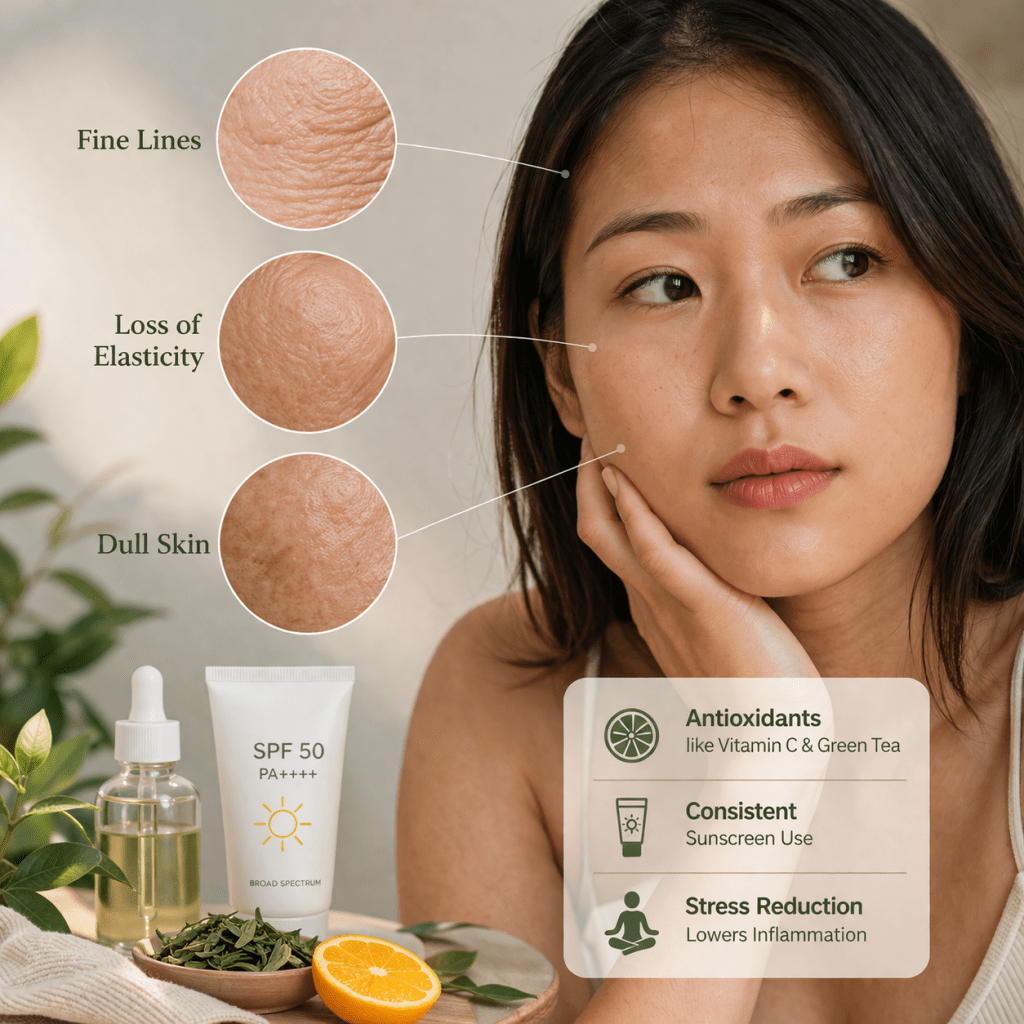
Stress increases inflammatory cytokines, which break down collagen and elastin over time.
This contributes to:
- Fine lines
- Loss of elasticity
- Dull skin
What Actually Helps
- Antioxidants like vitamin C and green tea extracts
- Consistent sunscreen use
- Stress reduction practices that lower inflammation
4. Stress Delays Skin Healing
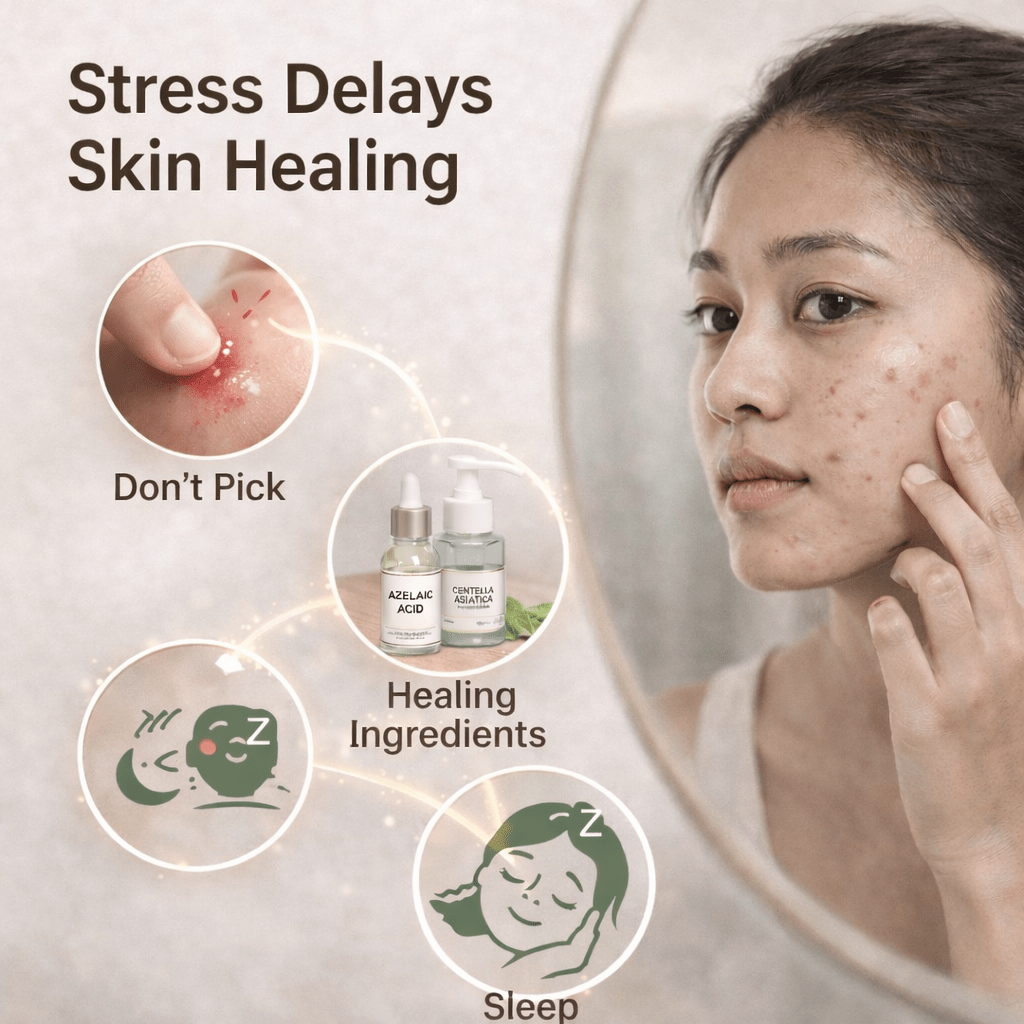
Wound healing slows down under stress due to reduced immune efficiency and impaired cell regeneration.
This means:
- Acne marks last longer
- Skin takes more time to recover
What Actually Helps
- Avoid picking acne
- Use ingredients like azelaic acid or centella asiatica
- Prioritize sleep, as repair peaks at night
5. It Triggers or Worsens Chronic Skin Conditions
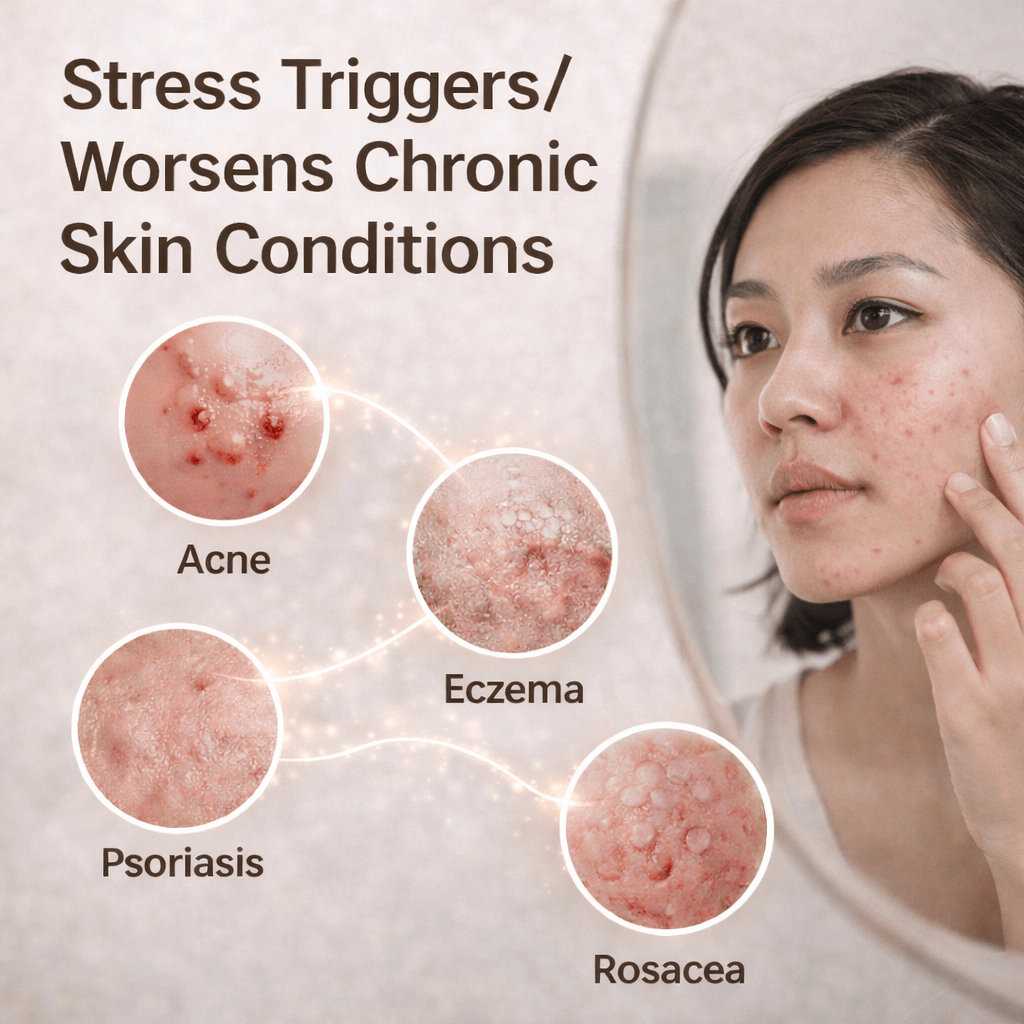
Conditions like:
- Acne
- Eczema
- Psoriasis
- Rosacea
…are all linked to stress-related flare-ups.
What Actually Helps
- Combine dermatological treatment with stress management
- Track flare-ups alongside lifestyle patterns
- Avoid overloading skin with too many actives
6. Poor Sleep = Poor Skin Regeneration
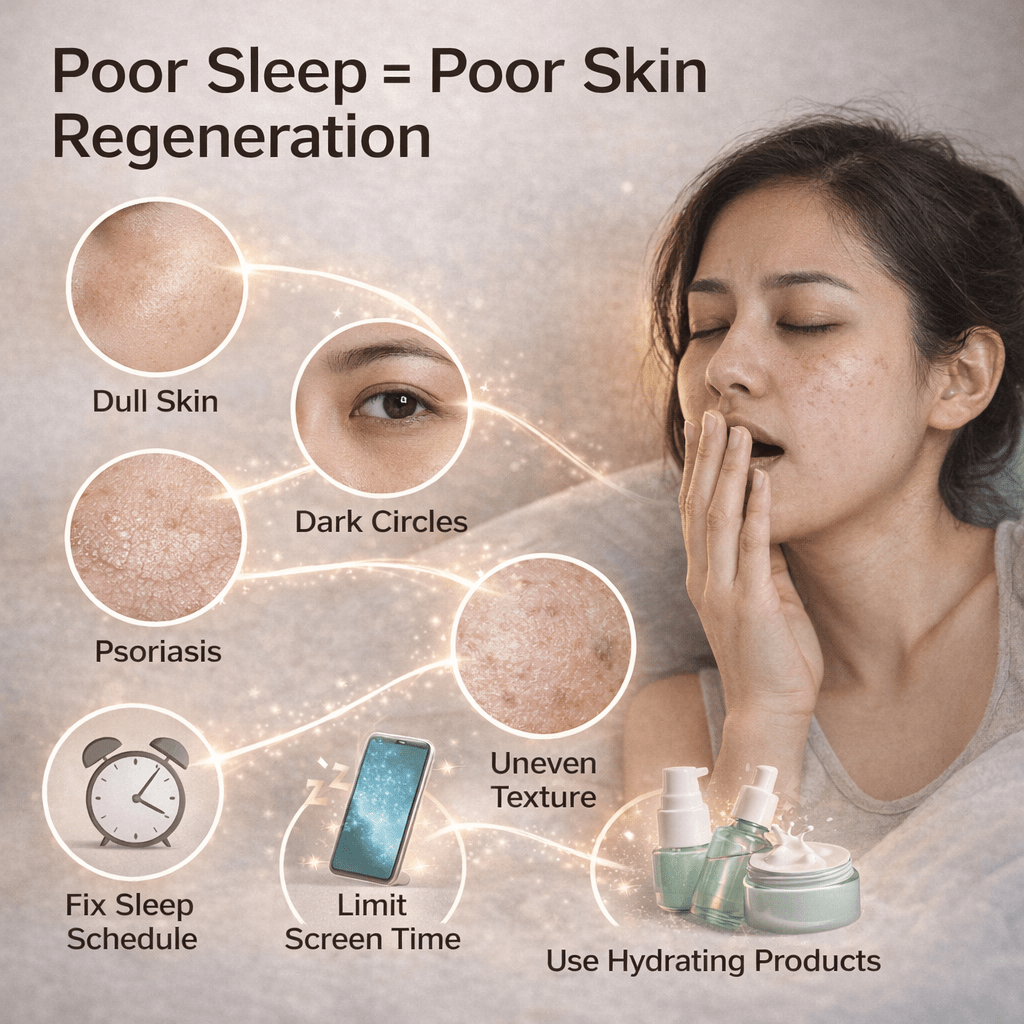
Stress and anxiety disrupt sleep cycles, reducing the skin’s ability to repair and regenerate.
Visible effects include:
- Dullness
- Dark circles
- Uneven texture
What Actually Helps
- Maintain a fixed sleep cycle
- Reduce screen exposure before bed
- Support skin overnight with hydrating products
7. The Skin–Brain Connection Is Real (Psychodermatology)
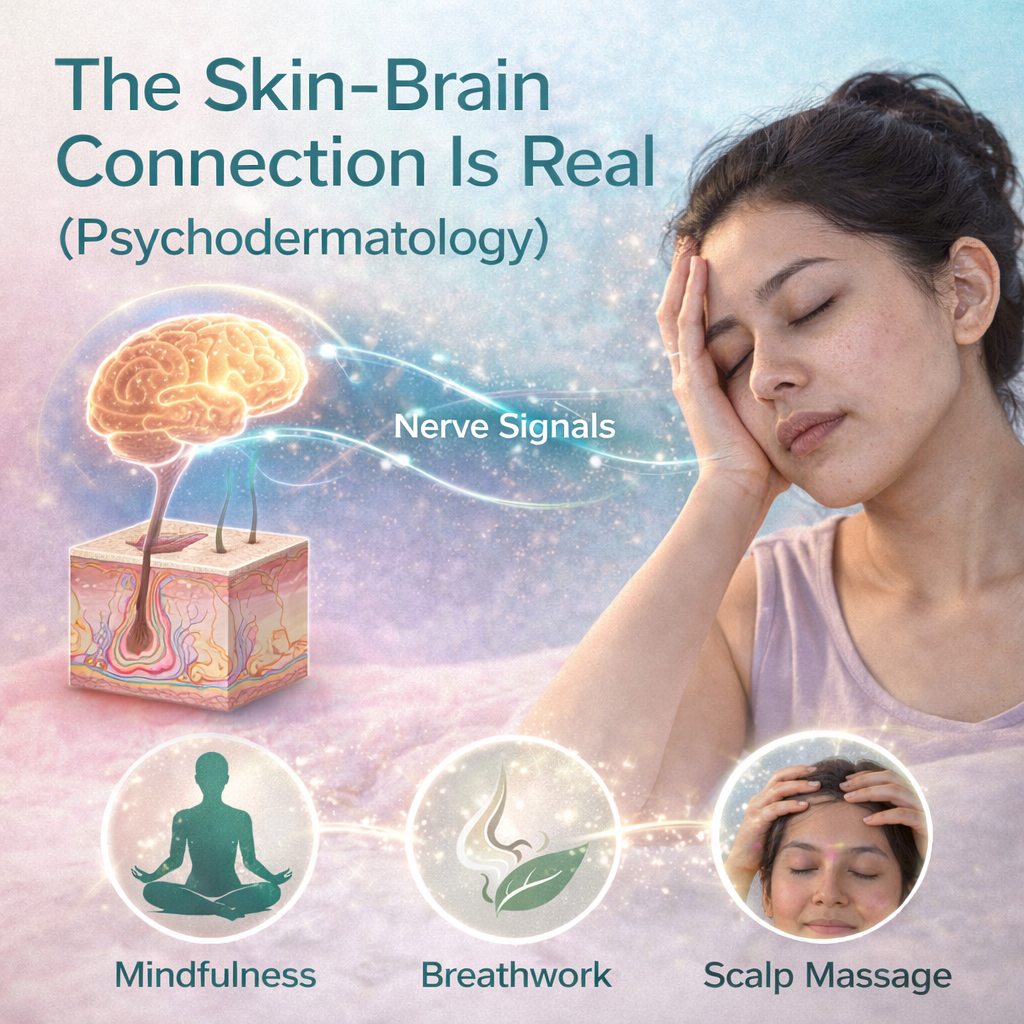
A growing field called psychodermatology studies how emotional states affect skin conditions.
Your skin and brain are connected through nerve pathways and chemical signals. This means stress is not just a trigger, it is an ongoing influence.
What Actually Helps
- Mindfulness practices
- Breathwork or meditation
- Scalp and body therapies that relax the nervous system
Holistic Skin Strategy That Actually Works in 2026
Instead of treating symptoms alone, the modern approach focuses on internal + external balance:
Internal
- Stress regulation
- Sleep optimization
- Nutrition
External
- Barrier repair skincare
- Targeted treatments
- Professional therapies
This combined approach delivers faster and more sustainable results.
When Should You Consider Professional Help?
If you are experiencing:
- Persistent acne despite treatment
- Sudden sensitivity
- Chronic flare-ups
…it may be time to combine skincare with professional treatments like:
- Medical facials
- LED therapy
- Scalp and stress-relief treatments
Final Thoughts
If your skincare routine is not working, the problem may not be your products. It may be your internal state.
The biggest shift in 2026 is this:
You cannot fully fix your skin without regulating your stress.
Once you address both, results become faster, clearer, and more consistent.
This guide is brought to you by Glamingo—Singapore’s AI-powered beauty and wellness marketplace. Soon, you’ll be able to discover, compare, and book wellness, spa, and skincare treatments that support both your skin and mental health. Stay tuned.
Disclaimer: This guide is for informational purposes only. It is not a substitute for medical advice. Consult a dermatologist or healthcare professional for persistent conditions.
 Glamingo Blog
Drop in your comments..