
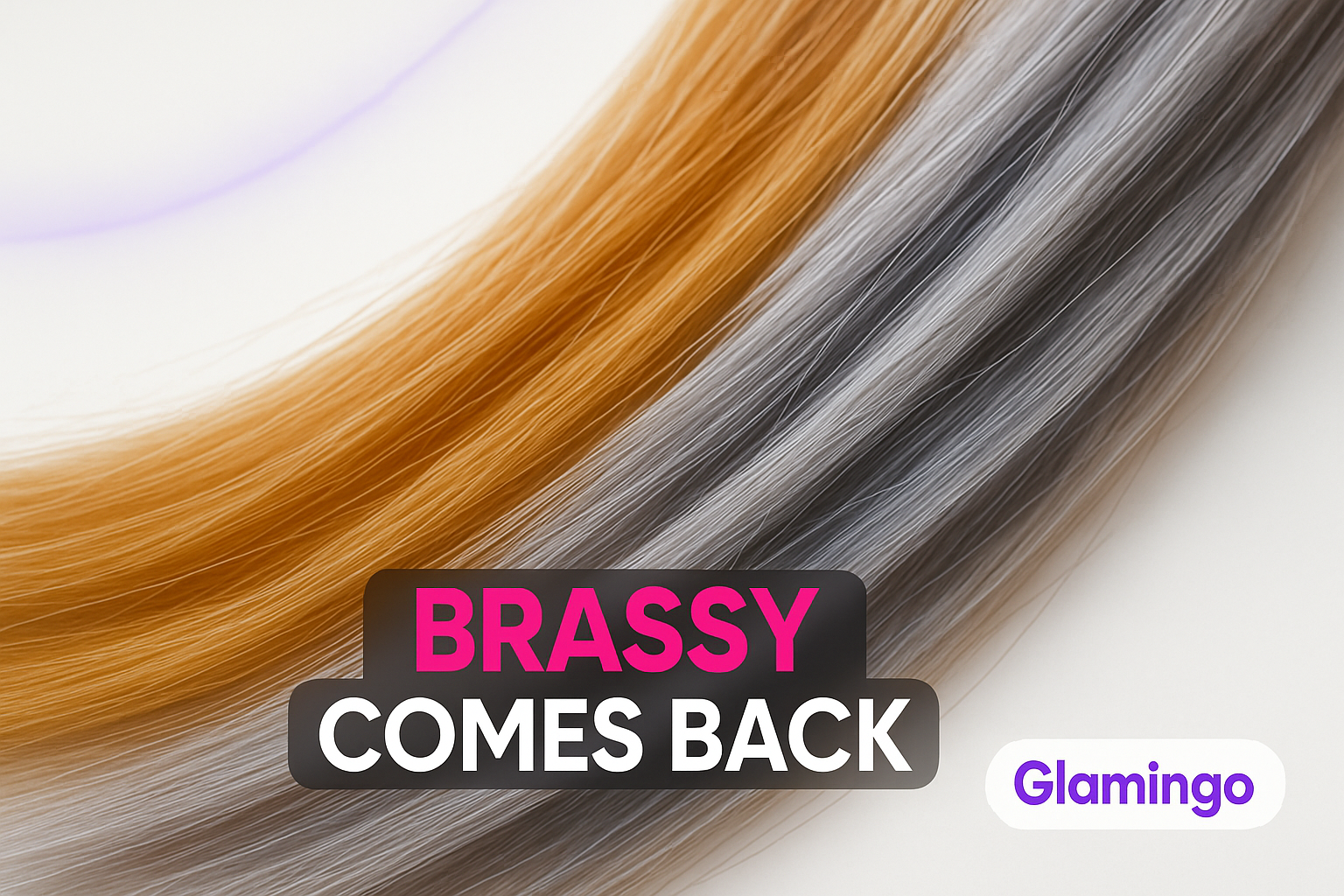
You’ve just spent two hours (and a significant amount of money) getting your hair lightened, and the stylist mentions toning as an add-on. Is it genuinely necessary, or is it a salon upsell you can skip? If you’ve ever walked out with colour that looked great for two weeks and then turned brassy again, this is the verdict you need.
That brassiness creeping back in? It’s not your imagination, and it’s not your shampoo failing you. It’s the predictable result of what lightening actually does to your hair — and understanding that process is the only way to know whether toning is worth your money at this particular appointment, on your particular hair.
The Verdict Up Front
Worth it for lightened hair — with conditions
If you’ve had highlights, balayage, or any kind of bleach or lightening service, toning is almost always worth doing at the appointment. Not because it’s a magic fix, but because lightening exposes warm undertones that toning can correct before you leave the chair — and correcting them later, at home, is considerably harder. The condition is this: the toner your colorist chooses needs to be the right shade for your specific target result, not a default applied to everyone who asks for “ash.” More on that in a moment.
Not worth it for unlightened natural dark hair
If your hair hasn’t been lifted, toning will do very little you can actually see. Toning deposits pigment on the hair surface — it doesn’t lift or alter your natural base. If there are no exposed warm undertones from a lift, there is nothing meaningful for the toner to counteract. This is a genuine and common misconception, and salons don’t always correct it before charging you for the service.
What Is Hair Toning and What Is It Actually Doing?
How pigment deposit works after a lift
Think of toning like applying a colour filter over a photo. Lightening your hair is like turning up the exposure — it reveals the underlying warm tones baked into every strand. Toning is the filter that cancels out those warm tones and shifts the final image toward the cool, ash, or neutral shade you actually wanted. Remove the filter — wash enough times — and the original warm undertones come back, because the filter was never permanent.
At a strand level, what toning is doing is depositing pigment molecules onto the outer layer of your hair shaft to counteract the brassy or warm tones that surface after lightening. This is fundamentally different from bleach, which removes pigment, or permanent colour, which both removes and deposits. Professional colorists describe toning as a critical step in controlling the final tone direction — ash, neutral, or warm — of any lightened result. It’s corrective, not transformative.
Semi-permanent vs. permanent toners — what that means for fade rate
Most salon toners are semi-permanent, meaning they coat the hair rather than penetrating the cortex the way permanent colour does. This is why they fade — and why they fade faster if you wash your hair frequently, use hot water, or reach for a shampoo with strong surfactants. A small number of salons offer demi-permanent toners, which have a slightly longer hold, but the majority of what you’ll encounter sits in the semi-permanent category. Knowing which one is being used on you matters, because it directly affects how long your result holds and what aftercare you’ll need.
Who Gets Real Results from Toning
Highlights and balayage clients
If you’re a highlights or balayage client, toning is where your colour goes from “lifted” to “finished.” Lightening creates the dimension; toning refines the tone so it reads as intentional rather than accidental. Without it, highlights can look yellow or orange depending on how far your hair lifted — fine for a warm honey look, genuinely unfortunate if you wanted something cooler or more natural. Professional colorists consistently identify toning as the step that makes a customised colour result look customised, rather than just chemically processed.
Full bleach and platinum looks
For anyone going for a platinum, silver, or icy blonde result, toning isn’t optional — it’s the entire second half of the service. Bleach alone will leave you somewhere between yellow and pale orange depending on your starting point. The toner is what closes that gap between “bleached” and “platinum.” Skipping it and expecting a cool result is like turning up the exposure on a photo and wondering why everything looks washed out and warm.
The Asian hair reality: why warm undertones are harder to neutralise
This is worth being direct about, particularly if you’re in Singapore or elsewhere in Southeast Asia. Dermatological literature confirms that Asian hair has distinct biological characteristics including higher melanin content, which means the warm undertones exposed by lightening tend to skew more orange-red than the yellow tones more common in lighter hair types. This isn’t a barrier to achieving cool or ash results — but it does mean the toner formulation needs to be calibrated accordingly, often with more violet or blue-based pigment than a standard formula. A toner designed for a light European base will not do the same job on hair that has lifted to a warmer, more orange stage. If your colorist is using a one-size-fits-all approach to toning, that’s worth questioning.
Who Should Skip It (or Save Their Money)
Natural dark hair with no lightening
Community experience and colorist practice both point to the same conclusion: toning on unlifted dark hair produces minimal visible result. If you’ve had no lightening service and your hair is naturally dark, there are no exposed warm undertones for the toner to cancel. You’d essentially be paying for a surface deposit that your next wash will remove without you noticing it was ever there. The money is better spent elsewhere — or saved for a future appointment where actual lifting is involved.
When the toner shade chosen at the salon doesn’t match your goal
This is a subtler version of “skip it.” Toning is worth it when the shade selected is right for your target result. It becomes a waste — or worse, a result you didn’t want — when the colorist applies a warm or neutral toner to someone who wanted cool ash, or an ashy toner on someone who explicitly wanted a honey blonde. This happens more than it should, often when toning is applied as a default rather than a deliberate decision. Knowing what your colorist is applying and why is a reasonable question, and a good colorist will answer it without hesitation.
How Long Does Toning Actually Last?
The wash count problem
Here’s the honest answer most salons don’t foreground: professional toners are generally considered to last somewhere between four and eight weeks, but that range assumes a washing frequency of two to three times per week with colour-safe products. If you’re washing daily — which in Singapore’s humidity is not an unreasonable lifestyle choice — you may see your toning result fade noticeably in two to three weeks. The toner isn’t failing; it’s doing exactly what a semi-permanent deposit does when repeatedly exposed to water and surfactants. This is the core tension with toning as a value proposition. The result is real, but it’s conditional.
What genuinely extends the result: aftercare that changes the timeline
Colour-safe shampoo, cooler rinse water, and reduced wash frequency are the three aftercare factors that most directly affect how long your toning result holds. Purple or blue shampoo used once or twice a week also helps counteract the gradual return of warm tones between appointments — functioning on the same colour-cancelling principle as professional toning, just in a gentler, more diluted form. Colorist guidance consistently identifies these aftercare habits as directly affecting toning longevity, though there are no controlled studies quantifying exactly how much each factor extends the result. The mechanism makes sense; the precise timeline is individual.
Professional Toning vs. At-Home Toning Drops
What at-home toning drops can and cannot do
Toning drops are described as concentrated serums containing intensely coloured pigment designed to cancel out unwanted tones — they work on the same surface-deposit principle as professional toners, just in a format you mix into your conditioner or apply directly at home. They are not a substitute for a professional toner applied immediately post-lightening. What they can do is extend the life of a professional toning result, or provide a mild corrective effect between appointments. What they cannot do is replicate the precision of a formula matched to your specific lifted result by someone looking at your actual hair.
When DIY maintenance makes sense between appointments
At-home toning drops or a weekly purple or blue shampoo are genuinely useful maintenance tools if you’ve already had a professional toning service and want to slow the fade. The approach a lot of experienced colour clients settle on is this: professional toning at the appointment, at-home maintenance every week or two after. It’s not an either/or. The DIY option becomes less sensible when it’s being used as a replacement for professional toning on freshly lightened hair, where the variation in underlying tone really does require a trained eye to match correctly.
The Evidence Grade — What We Know and What Is Still Just Colorist Consensus
It’s worth being straightforward about something: the vast majority of guidance on hair toning — including everything in this article — is based on professional colorist consensus and community experience, not peer-reviewed clinical studies. There is genuine debate even among professionals about whether toning is always necessary or only relevant when specific unwanted tones are present. The mechanism of how pigment deposit works on the hair shaft is well understood. Whether a specific toner will deliver your specific target result on your specific hair, applied by a specific colorist, is not something any study can answer for you. That uncertainty is why the colorist’s skill and shade selection matter as much as the product itself.
The one piece of evidence with stronger grounding is the biology: Asian hair’s higher melanin content and distinct structural characteristics are documented in dermatological literature, and the implication for toning — that warm undertones after lightening tend to be more orange-red and require specific toner formulations — follows logically from that, even if toning-specific outcome data for Asian hair hasn’t been studied in controlled trials. It’s a well-reasoned inference from established biology, not a proven clinical outcome.
The Final Ruling: Try It, Skip It, or Investigate Further
Try it if your hair has been lightened at this appointment — highlights, balayage, bleach, any lift at all — and you want the result to look intentional rather than just processed. The value is real, provided the toner shade is right for your target look. Budget for it as part of the total service cost, not as a surprise add-on, and factor in that aftercare will directly affect how long the result holds.
Skip it — or at least push back — if your hair hasn’t been lifted, if you can’t get a clear explanation from your colorist about why a specific toner shade is being chosen for your result, or if the salon is applying a generic formula without looking at where your hair actually lifted to. Toning done thoughtlessly is money spent on a result that won’t match what you walked in asking for.
Investigate further if you’re on Asian hair, lifting for the first time, and aiming for a cooler or more neutral result. The orange-red undertone problem is real, and the solution requires a toner calibrated to it — not a standard violet formula designed for a different starting point. Ask specifically. The answer will tell you a lot about whether this colorist has actually thought about your hair.
Before your next lightening appointment, ask your colorist to tell you exactly which toner shade they plan to use and why — specifically whether it will neutralise warm tones or add a warm shift. If they cannot explain the toner choice in plain terms relative to your target shade, that is a signal to either ask more questions or reconsider the salon. Knowing this one detail will tell you whether toning is genuinely being selected for your result, or added as a default upsell.
If you’re ready to find a colorist in Singapore who can answer that question confidently, Glamingo has verified hair colour salons with toning services across the island, filterable by treatment type and client reviews. Browse hair toning salons near you →
Leave a Reply